Tree Removal

Tree Removal

As Arborists, caring for the health and safety of a tree is our primary goal, yet there are circumstances in which removal is necessary in order to maintain a safe and beautiful property. Removal of a tree should be considered when a tree develops structural defects, is in decline or has died, has outgrown its location and/or has become a hazard to the surrounding area. 
 
Our tree removal process is carried out by an experienced crew who undergo routine training both in the performance of their duties such as Advanced Climbing & Rigging, Crane Assisted Tree Removal, and proper tree pruning and felling. Our crew is also trained in safe work practices such as being able to perform and assist in High Angle Rescues. 
 
When you choose Barren Tree Solutions you choose an experienced group of professional arborists with the proper tools and equipment needed to safely and efficiently carry out your tree removal project. From homeowners to property management companies, from tree care contractors to site developers, our clients have entrusted us with the care of their trees. If you have a tree that you think may need to be removed, contact us today to have one of our Certified Arborists help determine how best to manage your tree.
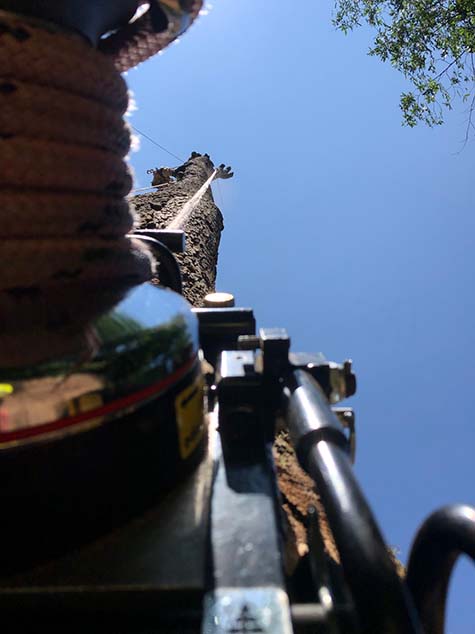
Barren Tree Solutions employee working in a tree

Our Process

While our tree removal process varies from project to project, it maintains two key attributes: Safety & Efficiency. The process to remove a tree ranges from traditional directional felling to rigging and advanced crane assisted removal.

  • Directional Felling – The process of cutting a tree from the ground in a manner that allows the tree to fall in a specified direction. If the site conditions allow for this, and the project does not require maximum ground protection, then directional felling is a safe and economical method for tree removal.
 
  • Rigging –  Involves utilizing ropes and pulleys to control the decent of tree parts so as to protect structures, landscapes, and any obstacle that the site may have. Our crew will set up a custom rigging system to maintain complete control of each piece of the tree being removed.
 
  • Crane Assisted Removal – When site conditions require maximum protection, or for safety reasons the tree should not/can not be climbed or rigged, crane assisted tree removal is a safe and efficient way to remove trees with little to no impact on the surrounding area.

5 Signs your tree may need to be removed.

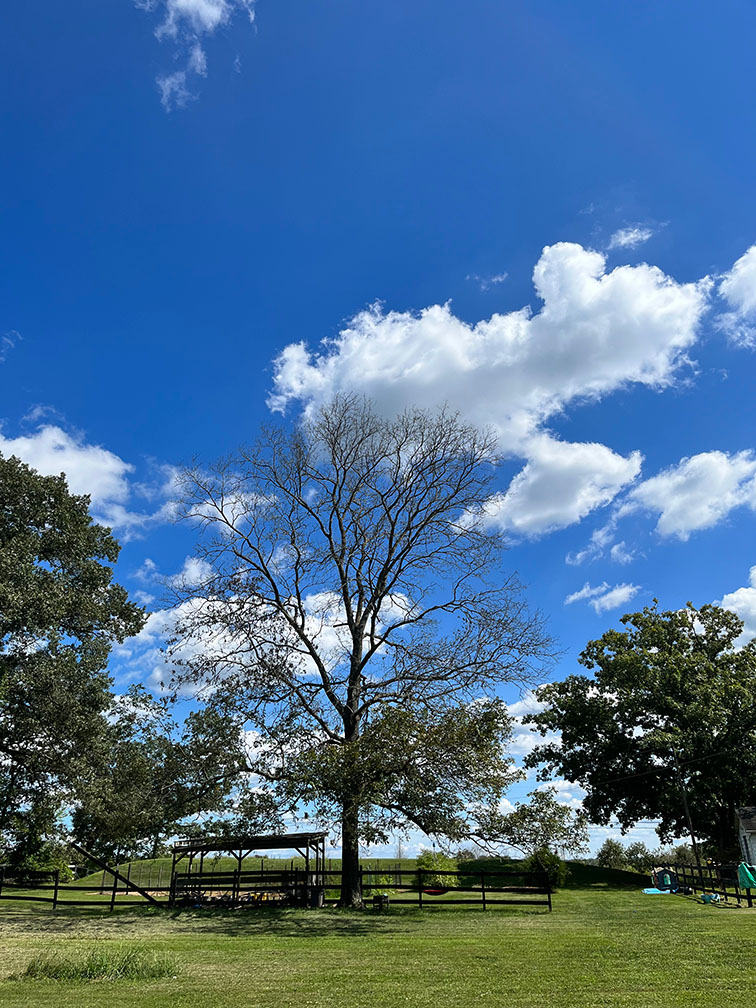
  • Dead or dying – A tree is dead or dying when it is no longer producing leaves, when the canopy is dying from the tips down/in, when there is decay-producing fungi such as mushrooms growing at the base of the trunk or root flare, or bark has begun to fall off.
 
  • Location – A tree that is too close to a home or utility supply may need to be removed since the roots could be causing foundational damage or the potential for limb failure could otherwise be costly or damaging to persons or property.
 
  • Lean – A leaning tree does not necessarily indicate tree failure. However, when the lean is excessive and shows little or no sign of phototropism, or if the root plate is starting to heave upwards, failure may be imminent. 
 
  • Damage or decay – Trees sustain damage naturally from storms, wind, ice, snow, and lightning. They can sustain damage mechanically from equipment, people and urban development. Decay often times is a result of some form a damage and, if not addressed, can severely decrease the structural composition of the tree. Regardless of the cause, removal should be considered when managing damaged and decayed trees.
 
  • Cracks or Cavities – A crack in the trunk of a tree is a structurally unsound tree. This is an indicator that the tree has been subject to energy transfer greater than its ability to absorb. It is important to inspect your trees for cracks after a storm that contained gale force winds or lightning. Cavities are also a good indication that removal should be considered since a cavity is a result of decay and decay in time breaks down the structural integrity of the tree.
Book an Estimate