Trees are amazing assets to our properties. They filter our air, our water, and slow the surge of rain and wind during storms. Trees create a healthy and safe environment for our communities by lowering temperatures by providing shade and improving mental and physical health by reducing stress and blood pressure. Trees are also critical in maintaining a healthy ecosystem by providing food or nesting for animals and insects. Although forest trees grow quite well with only nature’s pruning, landscape trees require a higher level of care to maintain their structural integrity, safety, and aesthetics. While pruning is the most common maintenance procedure in the urban landscape, sadly it is also the most incorrectly performed procedure on trees. Improper pruning not only can lead to an unsafe or structurally unsound tree, it can also have a negative impact on the tree’s overall health, worse than if there were no intervention at all.
Pruning should be evaluated by a
Certified Arborist with a strong knowledge of tree biology and conducted by arborists who possess the same knowledge and skill. Pruning is more than just cutting back branches that are dead or are a nuisance. Pruning is a culmination of understanding tree species profiles, recognizing site conditions and characteristics of the tree location, as well as looking at growth and development patterns that will likely occur in the future. This knowledge is used to develop a pruning plan that periodically addresses said issues ideally before they occur and all in accordance to the health an safety of the tree, as well as the
safety, goal, and best interest of the tree manager.
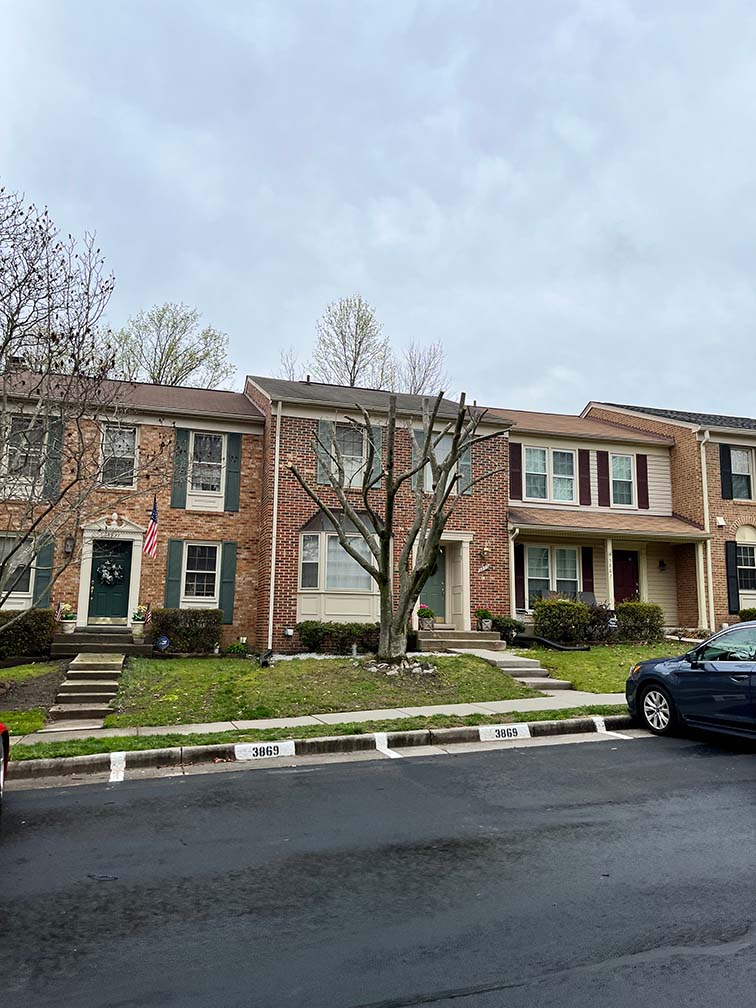
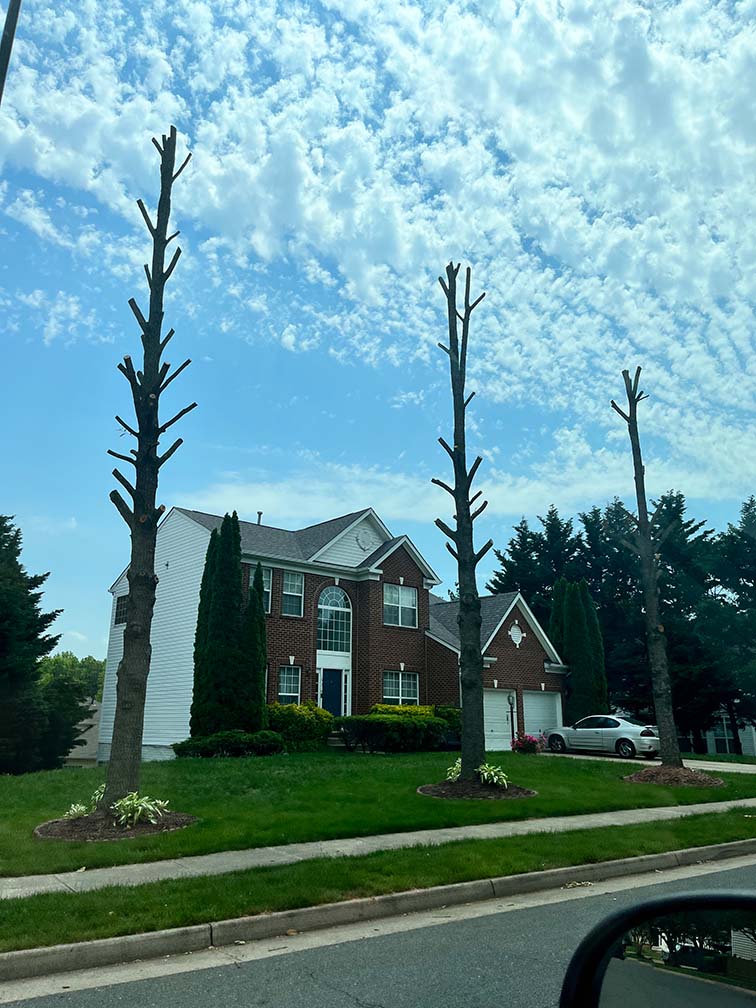
Pruning performed without this knowledge can create lasting damage and/or cause death to a tree. Improper pruning, such as topping or
trimming trees at the incorrect time of the season, is perhaps the most common result of improper pruning that we see around the urban forest. While the tree may not show symptoms of the damage immediately, it is nonetheless damaged.
Our pruning crew is trained both in the mechanics and the knowledge of tree species as well as proper pruning set forth by the ANSI A300 standards: Tree, Shrub, and Other Woody Plant Maintenance – Standard Practices and the Best Management Practices: Tree Pruning.
Contact us today and schedule a time for our ISA Certified Arborist to evaluate your tree needs and determine the best maintenance plan for your tree(s) and for your property.